
Vehicles and fleet
How Much Does a Vehicle Wrap Cost? A Full Breakdown
23 min read · Mineola Signs & Awnings
Let's be honest, when you first hear the price of a professional vehicle wrap, it can give you a little pause. It’s important to understand that you’re not just...
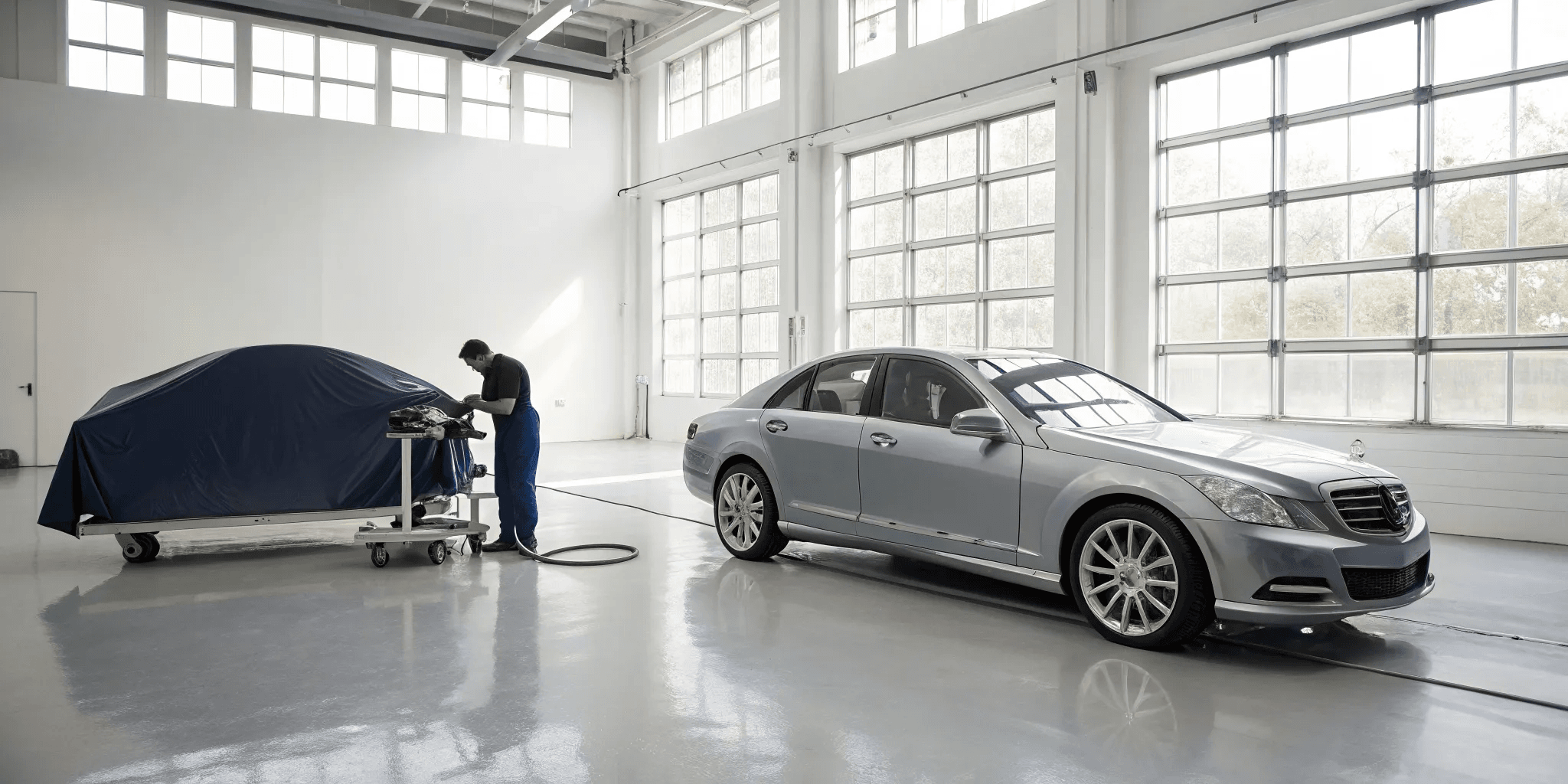
Let's be honest, when you first hear the price of a professional vehicle wrap, it can give you a little pause. It’s important to understand that you’re not just paying for a giant, high-quality sticker. The price reflects the durable, specialized vinyl, the custom design work, and most importantly, the hours of meticulous labor by skilled installers who ensure a flawless, paint-like finish. We want to pull back the curtain and show you exactly what goes into the final number. So, how much does a vehicle wrap cost, and why is it a worthwhile investment for your vehicle’s protection and style? We’ll break it all down for you.
Key Takeaways
- Think of a wrap as a smart investment, not just a purchase: The final price depends on your vehicle's size, the vinyl you select, and design complexity, but it delivers value by acting as a mobile billboard and protecting your car's original paint.
- Professional installation is key for a flawless finish and paint safety: While DIY is tempting, hiring an expert ensures a durable, bubble-free result that looks like paint and can be removed safely, leaving your car's factory finish in perfect condition.
- Simple care habits make your wrap last for years: To get the most out of your wrap, which can last three to five years, stick to hand washing and try to park in the shade. Avoiding automatic car washes and harsh chemicals will keep your vehicle looking vibrant.
What Exactly Is a Vehicle Wrap?
Ever see a car with a jaw-dropping design and wonder how they did it? Chances are, it was a vehicle wrap. Think of it as a large, high-quality sticker made from durable vinyl that’s expertly applied to your car's surface. It’s not paint, but it can look just as sleek, and the design possibilities are practically endless. From a simple color change to a full-blown custom graphic for your business, a wrap transforms your vehicle without permanently altering the original paint underneath. It’s a fantastic way to make a statement, whether you’re a business owner in Mineola looking to advertise on the go or just someone who wants their car to stand out from the crowd. The process involves printing your chosen design onto vinyl sheets, which are then carefully fitted to every curve and contour of your vehicle by a professional installer.
Full vs. Partial Wraps: What's the Difference?
When you decide to wrap your vehicle, you have two main options: a full or a partial wrap. A full wrap, as the name suggests, covers your entire vehicle from bumper to bumper, creating a completely new look. It’s the best choice for a total color change or a complex design that needs to flow across the whole car. A partial wrap covers only specific sections, like the doors, hood, or rear of the vehicle. This is a great, budget-friendly option that can still make a huge impact. You can strategically place your logo and contact information for business advertising or add custom graphics to give your car a unique flair without the cost of a full wrap.
Personal, Commercial, and Protective Uses
Vehicle wraps are incredibly versatile, serving a few key purposes. For personal use, they offer a level of customization that paint just can't match, letting you change your car’s color or add unique patterns. For businesses, commercial car wraps are a marketing powerhouse, turning your company car or van into a mobile billboard that generates impressions all over town. A single wrapped vehicle can capture thousands of views every day, making it one of the most cost-effective advertising methods available. Beyond aesthetics and advertising, wraps also provide a protective layer for your vehicle’s original paint, shielding it from sun damage, minor scratches, and road debris. This helps maintain your car’s resale value when it’s time to remove the wrap.
How Much Does a Vehicle Wrap Cost?
This is the big question, right? You see a stunning wrapped car drive by and immediately wonder what it takes to get that look for your own vehicle. The honest answer is: it depends. The cost of a vehicle wrap is an investment, and the final price tag can vary quite a bit based on your vehicle's size, the materials you choose, and the complexity of the design. Think of it like commissioning a piece of art, but for your car.
While a custom quote from a professional installer like Mineola Signs & Awnings is the only way to get a precise number for your specific project, I can give you a solid idea of the typical price ranges. This will help you budget and understand what goes into the cost. Below, we’ll break down the average costs for different types of vehicles, from a personal sedan to a commercial work van. Remember, these prices reflect the use of high-quality materials and professional installation, which are key to getting a wrap that looks amazing and lasts for years.
Typical Cost for a Sedan
For a standard sedan, you can generally expect the cost of a full wrap to be between $2,500 and $6,000. This price covers the roughly 40 to 55 feet of vinyl needed to transform your car. Whether you’re looking for a sleek matte black finish for your personal ride or turning your company car into a mobile advertisement, this is a popular starting point for many drivers. The final price within this range will hinge on the specific vinyl you select and how intricate your design is. A complete car wrap cost guide shows that premium finishes like chrome or color-shifting vinyl will naturally be at the higher end of that spectrum.
Typical Cost for a Truck
Trucks come in all shapes and sizes, and so do their wrap costs. For a pickup truck, the price typically ranges from $2,800 to $6,500. The wide range reflects the difference in material needed, which can be anywhere from 60 feet for a smaller truck to over 125 feet for a large commercial one. For local businesses in Mineola, wrapping a work truck is one of the smartest marketing moves you can make. It turns every supply run and job site visit into an advertising opportunity. The larger the truck, the more "canvas" you have to work with, but it also means more material and labor are involved in the installation.
Typical Cost for a Van or Larger Vehicle
If you drive a van, minivan, or SUV, you’re looking at a price range of about $3,200 to $7,000. These larger vehicles require a good amount of vinyl, typically 65 to 90 feet for a minivan and slightly more for a full-size SUV. This category is especially relevant for service-based businesses like plumbers, electricians, and delivery services. A professionally wrapped van is essentially a rolling billboard that builds brand recognition all over town. While some FAQs on car wraps note that SUV costs can start around $2,500, the final price will always depend on the vehicle's exact size and the design you choose.
What Factors Affect the Price of a Vehicle Wrap?
When you start looking into vehicle wraps, you'll quickly find that there isn't a single, flat-rate price. The final cost depends on a mix of factors, from the type of car you drive to the specific look you're going for. Think of it like a custom project for your car; every choice you make influences the total investment. Understanding these variables will help you set a realistic budget and ensure you get a result you love.
The main elements that shape the price are the size of your vehicle, the quality and finish of the vinyl you choose, the complexity of your design, and the labor involved in the installation. Even things like initial design work and eventual removal play a role in the overall cost. Let's walk through each of these factors so you know exactly what to expect when you request a quote.
The Size of Your Vehicle
It makes sense that the bigger your vehicle, the more it will cost to wrap. A larger surface area requires more vinyl material and more time for the installation team to apply it. A small sedan, for example, might need around 40 to 55 feet of vinyl, while a large truck or commercial van could require 60 to 125 feet or more.
This is why wrapping a full-size pickup truck will cost more than wrapping a two-door coupe. When you’re planning a budget for your car wrap, the first thing to consider is the canvas you’re working with. Whether you have a single car or a fleet of commercial vans, the dimensions are the starting point for calculating material costs and labor hours.
Your Choice of Vinyl and Finish
Not all vinyl is created equal, and the type you select has a big impact on both the price and the final look. High-quality vinyl from reputable brands costs more, but it also offers better durability, color vibrancy, and a cleaner removal process down the road. Cheaper films might save you money upfront, but they can fade, peel, or even damage your paint.
Beyond the quality, the finish you choose also affects the price. A standard gloss or matte finish is typically the most affordable. If you want something more eye-catching, like a satin, chrome, metallic, or textured finish (such as carbon fiber), you can expect the material cost to go up. You can see examples of different looks in our project gallery to get a feel for what might work best for you.
The Complexity of Your Design
A simple, single-color wrap is the most straightforward and budget-friendly option. The price starts to climb as your design becomes more intricate. Are you thinking of a custom-printed graphic with your company’s logo, detailed patterns, or multiple colors? These designs require more time in the graphic design phase and meticulous attention during installation to ensure every line and logo aligns perfectly.
For businesses, a custom design is a powerful marketing tool, but the added complexity naturally adds to the cost. The process involves printing your design onto the vinyl, laminating it for protection, and then carefully applying it. The more detailed the graphics, the more labor-intensive the application becomes, which is reflected in the final price.
Professional Installation and Labor
A flawless vehicle wrap is all about the quality of the installation. You're not just paying for the vinyl; you're paying for the skill and experience of the professionals applying it. Labor is a significant portion of the total cost, and for good reason. An expert installer knows how to properly clean and prep the vehicle's surface, handle the vinyl without overstretching or tearing it, and meticulously work around curves, corners, and door handles for a seamless, paint-like finish.
Choosing an experienced team like ours at Mineola Signs & Awnings ensures your wrap will look great and last for years. While a lower labor cost might seem tempting, it can often be a red flag for inexperience, which can lead to bubbles, peeling, and a wrap that fails prematurely.
Initial Design and Future Removal
If you don't already have a print-ready design, you'll need to factor in the cost of creating one. Our team can work with you to create a custom design, whether it's a simple color change or a full commercial branding package with your logo and lettering. This creative process is a key part of the project and is factored into your initial quote.
It’s also wise to think about the end of your wrap’s life. While it’s not an upfront cost, professional removal is an important future expense. Having a professional remove the wrap ensures it comes off cleanly without leaving behind adhesive residue or damaging the paint underneath. When you get a quote, you're investing in both the initial application and the long-term integrity of your vehicle.
DIY vs. Professional Installation: Which Is Worth It?
One of the biggest questions people have when considering a vehicle wrap is whether to tackle the project themselves or hire a professional. The internet is full of DIY tutorials that make it look easy, and the initial cost savings can be tempting. But is going the DIY route really worth it in the end? When you’re wrapping a vehicle that represents your business or is your personal pride and joy, the quality of the final product matters. Let’s break down the real costs and benefits of each approach so you can make the best decision for your goals and your budget.
The Cost of a DIY Wrap
If you’re thinking about wrapping your car yourself, the upfront material costs can seem attractive. You can expect to spend anywhere from $300 to $1,500 on vinyl for a standard car. However, that price tag doesn’t include the essential tools, a dust-free space to work, or the most valuable resource of all: your time. Applying a vehicle wrap is a meticulous skill that takes practice to master. Without experience, it’s easy to end up with frustrating bubbles, wrinkles, and misaligned seams. A botched job not only looks unprofessional but can also mean starting over, doubling your material costs and your headache.
The Cost of Professional Installation
Opting for a professional installation typically costs between $2,500 and $6,000, but that price reflects a lot more than just the vinyl. You’re paying for the expertise of skilled installers who have spent years perfecting their craft. A professional service includes the use of high-quality materials, specialized equipment, and a climate-controlled environment to ensure a flawless, durable finish. At Mineola Signs & Awnings, our team handles every step, from surface preparation to the final post-heating, guaranteeing a result that looks like it came straight from the factory. You can see the quality for yourself in our gallery of completed projects.
Why a Professional Job Pays for Itself
While the initial investment is higher, a professional wrap pays for itself in quality, longevity, and peace of mind. A perfectly installed wrap looks as good as a high-end paint job and also protects your vehicle’s original paint from scratches and sun damage, preserving its resale value. For businesses, a crisp, clean wrap on a company car is a direct reflection of your brand’s professionalism. When you invest in a professional car wrap service, you’re not just buying a new look for your vehicle; you’re buying a guaranteed result that will look incredible and last for years to come, without any of the DIY stress.
Vehicle Wrap vs. Paint Job: How Do They Compare?
When you want to change your vehicle's look, you have two main choices: a vinyl wrap or a new paint job. While both can give your car a fresh appearance, they offer very different benefits. A paint job is a permanent change that bonds directly to your car's surface. It can be great for restoring an older car or fixing significant body damage, but it’s a one-way street. Once you paint it, there’s no going back to the original finish.
A vehicle wrap, on the other hand, is a large vinyl decal applied over your car's existing paint. Think of it as a durable, high-quality skin for your vehicle. This makes it a fantastic option for both personal customization and commercial branding. Wraps give you incredible design freedom, from simple color changes to intricate, full-color graphics that would be impossible or incredibly expensive to achieve with paint. Plus, one of the biggest advantages of a car wrap is that it’s completely reversible. It protects your original paint while it’s on and can be removed later, preserving your car’s resale value. This flexibility is why so many businesses and individuals in Mineola are choosing wraps over paint.
Comparing the Costs
At first glance, the costs of a wrap and a paint job can seem similar. A professional, high-quality vehicle wrap typically runs between $2,500 and $6,000, depending on your vehicle's size and the complexity of the job. A decent paint job can fall into the same price range. However, it's important to compare apples to apples. A cheaper paint job might cost less upfront, but it often lacks durability and can peel or fade quickly. Conversely, a top-tier, custom paint job can easily cost well over $10,000. For a similar investment, a vehicle wrap offers far more than just a color change. It provides a layer of protection and serves as a mobile billboard for your business. When you consider the marketing value and paint preservation, a wrap often delivers a better return on your investment.
Design and Finish Options
This is where vehicle wraps truly outshine paint. With paint, you’re mostly limited to a single color, and finishes like matte or satin can be difficult and expensive to apply correctly. With vinyl, your creative options are nearly limitless. You can choose from hundreds of colors and finishes, including gloss, matte, satin, chrome, brushed metal, and even carbon fiber textures. If you’re wrapping a commercial vehicle, you can print any design you can imagine. Your company’s logo, photos, contact information, and vibrant graphics can all be incorporated into a seamless design that turns heads all over town. You can see some examples of what’s possible in our project gallery. This level of customization is simply not feasible with paint, making wraps the clear winner for anyone looking to make a bold statement.
Protecting Your Resale Value
One of the most practical benefits of a vehicle wrap is its ability to protect your car’s original paint. The vinyl acts as a durable shield against everyday hazards like small scratches, rock chips, road debris, and fading from the sun’s UV rays. For business owners with a fleet of vehicles, this protection is invaluable for keeping your assets in top condition. When you decide to sell the vehicle or update your branding, the wrap can be professionally removed without damaging the factory paint underneath. This means the original finish will look as good as the day the wrap was applied, which can significantly help your car’s resale value. A new paint job, especially if it’s a non-factory color, can sometimes make a vehicle harder to sell. A wrap gives you the freedom to customize without the long-term commitment.
How Long Does It Take?
Time is money, especially when a vehicle is a key part of your business operations. Getting a vehicle wrap is a surprisingly quick process. While the design phase can take about a week to perfect, the actual installation is usually completed in just a few days. From start to finish, you can expect to have your newly wrapped vehicle back on the road in about two weeks. A quality paint job, however, is a much more time-intensive process. It involves sanding, priming, applying multiple coats of paint, and allowing for proper curing time, which can take several weeks. This means more downtime for your vehicle. If you need a fast, efficient transformation that gets your car or truck back to work quickly, a vehicle wrap is the more practical choice. You can contact us to get a more specific timeline for your project.
Will a Vehicle Wrap Damage My Paint?
It’s one of the first questions I hear from clients, and it’s a great one: will a vehicle wrap ruin my car’s paint? The short answer is no, a high-quality wrap will not damage your factory paint. In fact, it’s quite the opposite. When installed and removed correctly by professionals, a vinyl wrap is one of the best ways to protect your vehicle’s original finish. Think of it less like a permanent commitment and more like a protective, stylish jacket for your car.
The key to ensuring your paint stays pristine lies in two things: the quality of the paint before the wrap is applied and the expertise of the installation team. A professional will always inspect your vehicle’s surface first to make sure it’s a good candidate. If your car has a solid factory paint job, you have nothing to worry about. The wrap will preserve it perfectly until you’re ready for a change.
How a Wrap Actually Protects Your Paint
Think of a vinyl wrap as a durable, protective shield for your vehicle. Your car’s original paint is constantly exposed to threats like small rocks, road debris, and harsh UV rays that can cause fading and wear over time. A wrap covers the paint completely, taking the brunt of that daily damage. It acts as a barrier against minor scratches, dings, and environmental fallout like bird droppings and tree sap.
This layer of protection is a fantastic way to preserve your car’s resale value. When the time comes to remove the wrap, the original paint underneath will look as fresh as the day the wrap was applied. Our custom car wraps not only give your vehicle a new look but also serve as an investment in maintaining its long-term condition.
Why Professional Removal Is Key
The quality of the installation is just as important as the removal process. A professionally applied wrap on a car with a healthy factory paint job should come off cleanly, leaving no residue or damage. However, if your vehicle has existing paint chips, rust spots, or a low-quality aftermarket paint job, there’s a risk that the wrap’s adhesive could pull up loose paint during removal.
This is exactly why choosing an experienced team is so important. A professional installer knows how to assess your vehicle’s paint beforehand and uses the right techniques to prevent any issues. Attempting to remove a wrap yourself without the proper tools and heat application can lead to sticky residue or, in worst-case scenarios, paint damage. To ensure your paint stays perfect, always have a professional handle the removal. If you have questions about your vehicle's paint, feel free to contact us for an assessment.
How Long Will My Vehicle Wrap Last?
A vehicle wrap is a fantastic investment for your car or business, but it’s not meant to last forever. Understanding its lifespan and how to care for it helps you get the most value from your wrap. With the right approach, you can keep your vehicle looking sharp for years while it works for you on the road.
Factors That Affect Its Lifespan
Generally, you can expect a professionally installed vehicle wrap to last between three and five years. After that point, you might notice some peeling or fading, which is a good sign it’s time for a replacement. The biggest factors influencing longevity are the quality of the vinyl used and the skill of the installer. A professional installation service ensures the wrap adheres correctly without bubbles or lifted edges, which prevents premature wear. Of course, how you care for the wrap also plays a huge role in how long it maintains its fresh, vibrant look.
Caring for Your Wrap in the Mineola Climate
Here in Mineola, our vehicles face everything from intense summer sun to winter salt and grime. To protect your wrap, try to park in a garage or shaded area when possible to limit direct sun exposure, which can cause fading over time. It's also best to skip the automatic car washes, as their harsh brushes can scratch or lift the vinyl. Instead, hand wash your vehicle regularly with a mild soap and water. This simple routine will wash away road salt and dirt, keeping your wrap in excellent condition through every Long Island season.
The Marketing Value of a Commercial Wrap
For a business, a vehicle wrap is so much more than a cosmetic upgrade; it’s a mobile billboard. Think about it: your company vehicle transforms into a 24/7 marketing machine that grabs attention whether you’re driving to a job in Glendale or parked at a local coffee shop. In a community of 50,000 people, a single wrapped vehicle can generate millions of views in just one year. This constant exposure builds brand recognition and makes your business a familiar sight around town. Check out our gallery to see how other local businesses are using wraps to stand out.
Cost Per Impression vs. Traditional Ads
When you compare the cost of a vehicle wrap to traditional advertising, the value is undeniable. With radio spots or newspaper ads, you pay repeatedly for temporary exposure. With a vehicle wrap, you make a one-time investment that delivers continuous returns for years. This results in an incredibly low cost per impression. You’re reaching thousands of potential customers every day just by going about your normal business routine. It’s one of the most efficient ways to stretch your marketing budget and build a strong local presence. Ready to see what it would cost for your vehicle? Contact us for a personalized quote.
How to Care for Your Vehicle Wrap
A vehicle wrap is a big investment in your car's appearance and your business's marketing. To keep it looking sharp for years, a little care goes a long way. Unlike a paint job, a vinyl wrap has its own set of needs, but don't worry, the upkeep is straightforward. Following a few simple guidelines will protect the vinyl, preserve the vibrant colors of your design, and ensure you get the maximum return on your investment. Proper care protects the wrap from peeling, fading, or cracking, keeping your personal car or commercial vehicle looking professional on the roads of Mineola.
Simple Washing and Cleaning Tips
Think of washing your wrap like a gentle spa day for your car. Regular hand washing is the best way to keep the vinyl clean without causing damage. Aim to wash it weekly or whenever it looks dirty to prevent grime from setting in.
Start by rinsing the vehicle with water to loosen any surface dirt. Then, use a mild car wash soap mixed with water and a soft sponge or microfiber cloth to wash the wrap. It's best to wash the car when it's cool and in the shade, as direct sun can cause soap to dry too quickly and leave spots. After a final rinse, dry your vehicle with a clean synthetic chamois or microfiber towel to prevent water spots and streaks.
Protecting It from Sun and Weather
Your vehicle wrap is built to be durable, with a laminate layer that helps shield it from UV rays and minor scratches. However, constant exposure to the elements can take its toll over time. The strong summer sun and harsh winter conditions in New York can affect its lifespan.
Whenever possible, park your vehicle in a garage or a shady spot. This simple habit significantly reduces prolonged sun exposure, which is the primary cause of fading and degradation. This extra layer of protection not only preserves the wrap but also keeps your car's original paint in pristine condition underneath. Our high-quality car wraps are designed for durability, but smart parking habits will ensure they last even longer.
Common Mistakes to Avoid
Knowing what not to do is just as important as knowing what to do. To prevent accidental damage, steer clear of a few common pitfalls. First, avoid automatic car washes, especially those with aggressive spinning brushes. These can be too harsh, potentially catching the edge of the vinyl and causing it to lift or peel.
Also, be mindful of your cleaning products. Never use harsh chemicals, solvents, petroleum-based cleaners, or anything acidic, as they can eat away at the vinyl and the adhesive. When using a pressure washer, keep a safe distance (at least 12 inches) and use a wide-angle spray nozzle. Never point a high-pressure jet directly at the edges of the wrap, as this can force water underneath and cause it to lift.
Related Articles
- Unlock the Power of Vehicle Wraps with Mineola Signs and Awnings
- Transform Your Space and Business with Custom Wall Wraps, Window Wraps and Vinyl Wraps
- Mineola Signs Featured Videos
- Online Mineola Signs Journal
- The Do’s and Don’ts of Effective Signage
Frequently Asked Questions
How long does the entire vehicle wrap process take? From our first conversation to you driving away in your newly wrapped car, the whole process typically takes about two weeks. The first week is usually dedicated to the design, where we work with you to create and finalize the perfect look. Once the design is approved, the actual installation, which includes thoroughly prepping your vehicle and applying the vinyl, takes just a few days. It's a much quicker turnaround than a multi-week paint job.
Can I take my wrapped car through an automatic car wash? It's best to avoid automatic car washes that use spinning brushes. Those bristles can be too aggressive for the vinyl and can cause scratches or lift the edges of the wrap over time. The safest and most effective way to clean your wrap is to hand wash it with a soft sponge and mild soap. If you're in a pinch, a touchless car wash is a better alternative, but be mindful that high-pressure water jets can also be a risk if aimed directly at the wrap's seams.
Is a partial wrap still effective for advertising my business? Absolutely. A partial wrap is a fantastic, budget-friendly way to make a strong visual impact. You don't need to cover every inch of your vehicle to get noticed. By strategically placing your logo, contact information, and key services on high-visibility areas like the doors, rear, or hood, you can create a professional and eye-catching mobile ad. It delivers a powerful marketing punch without the investment of a full wrap.
What happens if my vehicle wrap gets a scratch or a tear? Don't worry, a small scratch doesn't mean you need to replace the entire wrap. One of the great things about vinyl is that it can often be repaired in sections. If a panel gets damaged, a professional installer can usually remove the vinyl from just that specific area (like a single door or fender) and apply a new piece. This makes fixing minor damage much simpler and more cost-effective than repairing a custom paint job.
Do I need to have a design ready before I get a quote? Not at all. Many of our clients come to us with just an idea, and that's the perfect place to start. Our team includes designers who can work with you to bring your vision to life, whether it's for a personal color change or a complete commercial branding package. The design process is a collaborative part of our service, so we're here to help you create a look you'll love, from concept to completion.
Free estimate
Want a price for your building?
Four things and you are done: your name, phone, email and where the sign goes. We come back within one business day.