
Storefront and channel letters
Blade Signs for Storefronts: Long Island Design Guide
10 min read · Mineola Signs & Awnings
Blade signs for storefronts turn an easy-to-miss facade into a visible landmark for pedestrians approaching from either direction. On busy Long Island sidewalks, a...
Blade signs for storefronts turn an easy-to-miss facade into a visible landmark for pedestrians approaching from either direction. On busy Long Island sidewalks, a projecting sign reaches into a shopper's natural sightline, helping the right customers notice your business before they pass the door.
Request a free quote for a custom blade sign.
Blade signs for storefronts are projecting signs that mount outward from a building facade to capture the attention of foot traffic. They extend into the line of sight of shoppers who miss flat displays and provide double-sided branding for people approaching from either direction. Mineola Signs designs, fabricates, and installs code-aware projecting signs that can turn a storefront into a landmark and guide shoppers to the door.
Local business owners must choose signs that work in a crowded area. Adding a hanging sign changes how customers see a brand and helps people find their way. Understanding why blade signs for storefronts stand out is the first step toward improving your shop's presence.
Why blade signs for storefronts stand out
Blade signs, also known as projecting or hanging signs, mount perpendicular to the building wall. While a flat wall sign is easiest to see from across the street, a blade sign meets the eye of a person moving along the sidewalk. That makes custom blade signs for storefronts especially useful for shops, cafes, offices, and other businesses in walkable commercial areas.
Better sightlines for people walking by
Most storefront signs only work if you stand directly in front of them. In crowded Long Island shopping areas, people usually look ahead rather than to the side. A blade sign sits in that natural line of sight and tells people where you are before they reach your door.
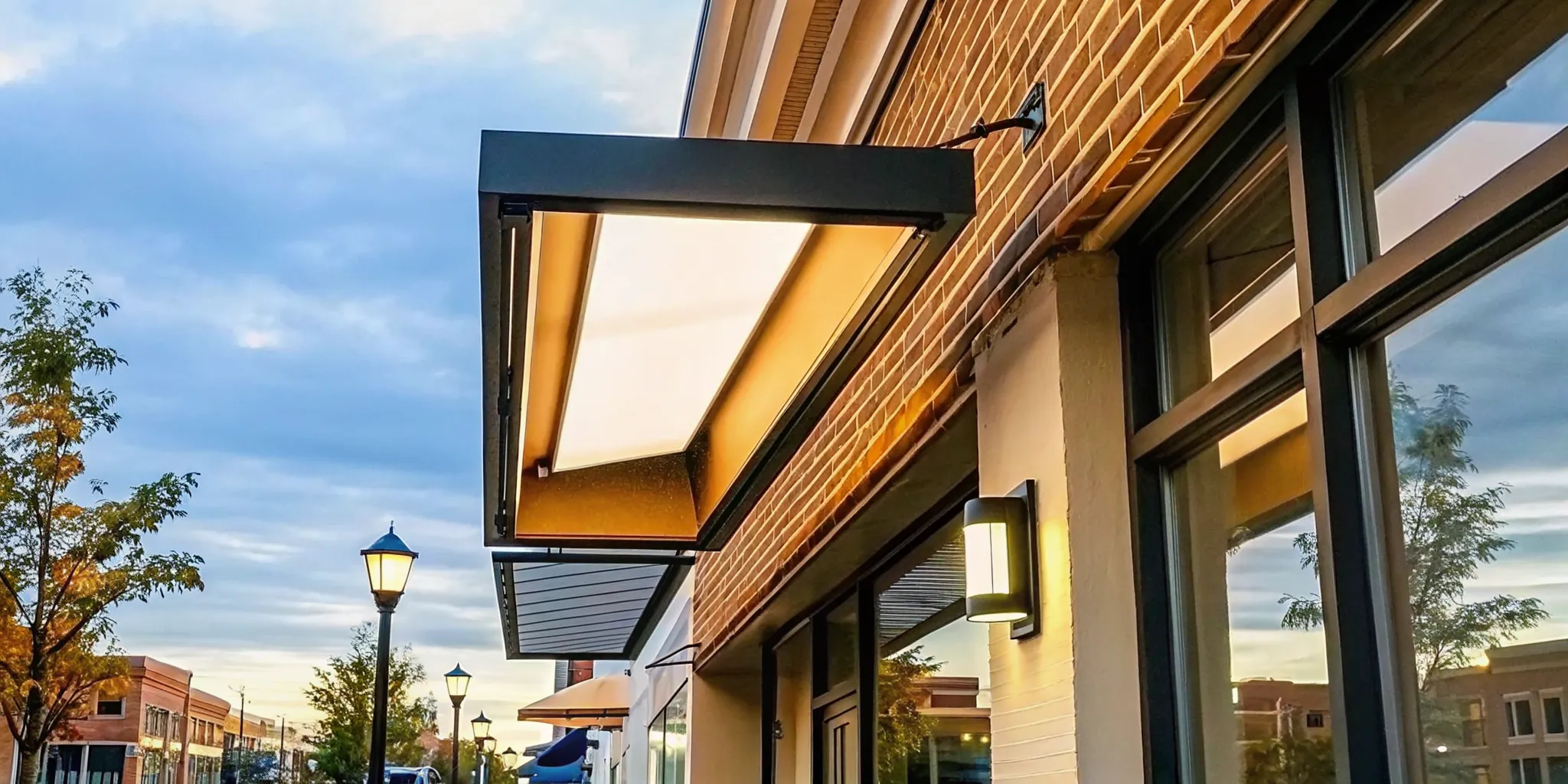
Because the sign has two visible faces, it can guide foot traffic arriving from either direction. A clear sign also makes it easier for first-time visitors, delivery drivers, and appointment-based customers to find the correct entrance.
Build a memorable storefront brand
Retail stores and cafes can choose circles, squares, dimensional panels, or custom-cut shapes that reflect their identity. A distinctive shape and consistent brand colors can separate one business from neighboring storefronts without making the streetscape feel cluttered.
For restaurants and shops, a well-placed blade sign can reinforce other exterior elements. Coordinating it with commercial awnings, window graphics, and entrance signs creates a consistent storefront that customers recognize.
Choose materials for local weather
Outdoor projecting signs must stand up to wind, rain, temperature shifts, and the stress placed on their brackets. Mineola Signs has served the New York metro area for over 100 years. Learn more about the full-service sign shop and its in-house approach to fabrication and installation.
Material thickness, panel weight, mounting hardware, and finish all matter. A professional site review helps match the design to the wall and local conditions before fabrication begins.
How should you place a blade sign?
The best location balances visibility, clearance, building conditions, and local code. A beautiful sign that sits too high, hides behind a tree, or blends into the background will not do its job. Placement planning should begin with an on-site view of the storefront from both pedestrian approaches.
Check the sightlines
Walk down the street from both directions and note when the proposed sign location becomes visible. Look for streetlights, trees, neighboring signs, architectural features, and parked vehicles that may block the view. The selected location should provide a clear approach and keep the sign close enough to the entrance to guide customers accurately.
Plan for clearance and code
Each municipality may regulate projection distance, sign area, mounting height, illumination, and clearance above the sidewalk. Rules vary, so do not rely on a generic height or projection measurement. A code-aware sign partner can review the applicable requirements and prepare accurate drawings before fabrication.
- Find the main path. Identify where most pedestrians approach and position the face at a right angle to that flow.
- Check clearance. Confirm the proposed mounting height and projection comply with local requirements.
- Look for obstructions. Account for trees, lights, neighboring signs, and architectural details.
- Match the building. Choose a location and scale that complement the facade.
- Verify the substrate. Make sure the wall and attachment points can support the assembly.
A full-service sign shop can coordinate design, permits, fabrication, and professional sign installation. Handling those steps together reduces the risk of discovering a mounting or code problem after the sign has already been built.
Design a blade sign people can read quickly
People walking or driving past a storefront have only a few seconds to process a sign. The most effective designs communicate the business name or category at a glance. Clear hierarchy is more useful than trying to include every service, slogan, and contact detail.
Keep words short and clear
Use the fewest words necessary. A concise business name, recognizable logo, or simple category such as "Coffee" is easier to process than a long sentence. If the official logo contains fine details, consider simplifying secondary text so the main identity remains readable.
Bold, clean letterforms generally hold up better at a distance than thin or highly decorative styles. Letter spacing and the amount of open space around the message also affect how quickly people can recognize it.
Use strong color contrast
Text and graphics should stand apart from the sign face. Dark lettering on a light background or light lettering on a dark background can both work when the contrast is strong. Also consider the color of the building behind the sign, because a panel that blends into the facade may disappear from view.
Choose a distinctive, practical shape
The sign shape should support the brand without reducing the usable message area. Round signs can feel friendly, while rectangular and dimensional box forms often provide more room for lettering. The bracket and decorative hardware can also contribute to the look, but they must remain appropriate for the sign's weight and wind exposure.
- Use colors with strong contrast.
- Pick a font that stays legible at a distance.
- Keep the word count low.
- Match the sign to the existing brand.
- Test a scaled proof before fabrication.
Which illumination option fits your storefront?
The right lighting depends on business hours, street conditions, branding, maintenance needs, and local rules. Shops open after dark often benefit from illumination, while a daytime office may get excellent value from a well-designed non-illuminated sign.
Bright visibility with internal lighting
Internally illuminated signs place LED lighting inside an enclosure so the face, letters, or graphics glow. They offer strong nighttime visibility and a clean appearance. The enclosure, wiring, access points, and mounting system all need to be designed for outdoor use.
The classic look of external lamps
External fixtures cast light onto the sign face and can suit traditional cafes, boutiques, and historic-looking storefronts. Careful aiming avoids dark spots and glare. Because the fixtures are exposed, owners should also plan for cleaning and periodic maintenance.
Simple non-illuminated signs
Non-illuminated blade signs are a practical option for businesses that operate mainly during daylight hours or already benefit from bright street lighting. Without wiring or lamps, they can be simpler to maintain and allow more of the budget to go toward custom materials, dimensional details, or finish quality.
| Light Type | Best For | Night Visibility | Care Level |
|---|---|---|---|
| Internal | Businesses open after dark | High | Low to medium |
| External | Traditional storefront styles | Medium to high | Medium |
| None | Daytime businesses | Depends on ambient light | Low |
Explore the Mineola Signs blog for more practical signage guidance, or request a professional assessment of your site.
Mounting and installation details that matter
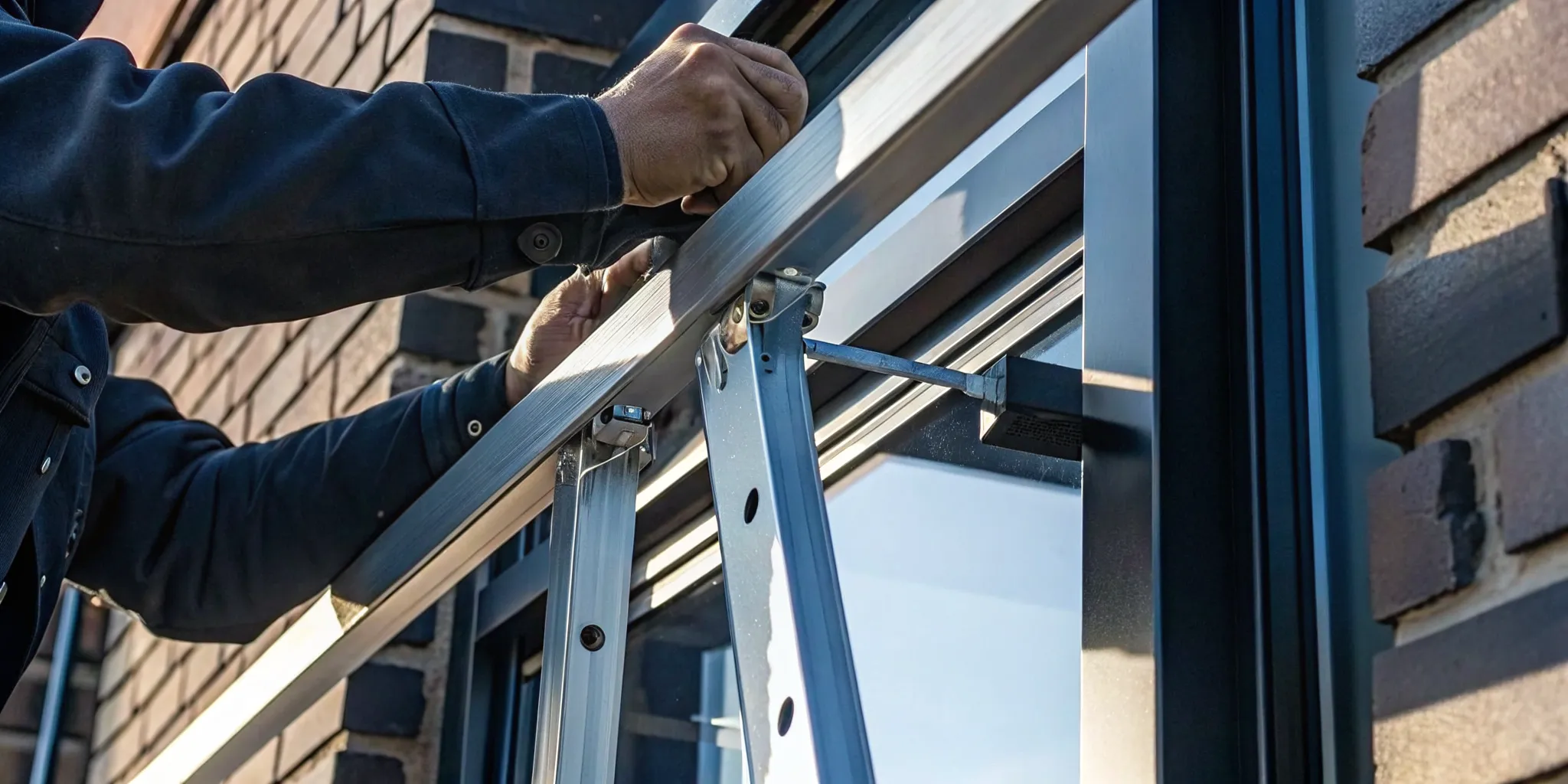
Safe mounting is just as important as visual design. A blade sign creates leverage on the wall because it projects away from the facade. Its weight, size, bracket design, wall construction, and exposure to wind must all be considered as one system.
Building wall and hardware types
Every shop wall is different. Some are brick, stone, metal, wood, or another assembly. The installation team must select appropriate anchors, attachment points, bolts, and brackets for the specific substrate and sign. This planning is a core part of sign installation services.
Wind and weather planning
Long Island weather can be tough on outdoor signs. High winds and storms put repeated stress on projecting panels and brackets. Durable fabrication, suitable finishes, sound welds, and correctly selected mounting hardware help the full assembly perform over time.
Professional setup and long-term care
Installation may require specialized access equipment, electrical coordination, and temporary control of the work area. After installation, periodic inspections and prompt repairs help keep the face, lighting, bracket, and attachments in good condition.
Plan for local codes before fabrication
Sign regulations often control projection distance, mounting height, sign area, lighting, and placement. Planning around those requirements early helps avoid redesign costs and delays. The final design should also account for landlord requirements and any building-specific limitations.
Get permits in order
Many municipalities require a permit before a new projecting sign can be installed. The submission may call for dimensioned drawings, placement details, attachment information, electrical plans for illuminated signs, and other supporting documents. Requirements differ by jurisdiction, so confirm them for the exact property.
- Site information showing where the sign will go.
- Drawings with sign dimensions, materials, and colors.
- Mounting and attachment details.
- Electrical information for an illuminated sign.
- Any documents required by the local authority.
Coordinate with your landlord
A lease or property sign program may restrict colors, dimensions, materials, or mounting locations. Ask for written approval before fabrication. Early coordination helps prevent a late request to change the design after materials have been ordered.
Why local experience matters
A team familiar with Long Island storefronts can anticipate common code, access, installation, and weather considerations. Mineola Signs has served Long Island and the New York metro area for over a century and offers consultation, design, fabrication, permitting support, installation, repairs, and maintenance under one roof.
Match the sign to your type of business
Your blade sign should communicate the character of the business while remaining easy to spot and read. The right choice for a lively cafe may not suit a medical office, and a retail shop may prioritize product recognition differently from an appointment-based service.
Catching eyes for retail stores
Retailers often need to attract people who did not plan to visit. A projecting sign can introduce the shop before pedestrians arrive at the entrance. Brand colors and a recognizable symbol help shoppers remember the location and find it again.
Setting the mood for restaurants
A restaurant sign can signal the dining experience before a guest enters. Bright colors and bold lettering may suit a quick-service concept, while refined materials and understated illumination may better fit a formal restaurant. The sign should remain legible even when its visual style is distinctive.
Building trust for offices and clinics
Professional offices and clinics benefit from clear, calm, and easy-to-find signage. A blade sign can help appointment-based visitors identify the correct entrance without circling the block. Readability and accurate wayfinding should take priority over decorative detail.
Frequently Asked Questions
Are blade signs effective for business visibility?
Yes. Because blade signs project perpendicular to the building, pedestrians approaching from either direction can often see them sooner than flat wall signs. Their effectiveness depends on clear sightlines, readable design, suitable placement, and a message people can understand quickly.
What types of storefront blade signs are available?
Storefront blade signs are available in custom shapes, dimensional panels, cabinet-style forms, metal and other outdoor-ready materials, plus illuminated and non-illuminated configurations. A sign professional can recommend an option that suits the brand, facade, budget, and local requirements.
Are illuminated blade signs better for storefronts?
Illuminated signs are often better for businesses open after dark or on streets with limited ambient light. Non-illuminated signs can be the better value for daytime businesses. The right choice depends on hours, viewing conditions, maintenance needs, branding, and code.
How do you choose a blade sign for a storefront?
Start with a site review. Check pedestrian approaches, obstructions, facade construction, viewing distance, local rules, and landlord requirements. Then choose a readable design, suitable materials, appropriate lighting, and a professional installation plan.
Ready to stand out with a custom blade sign?
A well-planned blade sign can help customers notice your storefront earlier, recognize the brand, and find the entrance with less effort. Mineola Signs can coordinate the process from design and fabrication through permitting support and installation.
Request a free blade sign quote and tell us about your storefront.
Free estimate
Want a price for your building?
Your name, phone, email and a line about the project. We come back within one business day.